Bruno Assey describes how participation in the May 2026 Biodiversity Monitoring Course made him see certain things differently:
"I had never thought that I could use aquatic insects to assess the safety of water. I always believed that the beauty of birds, their colourful feathers and nice songs was the only thing that could capture one's heart. However, BIMO changed the way I used to think when I learned about stream health ecology. This field captured my heart and showed me that even the smallest organisms can reveal the health of the water on which we all depend.
I remember when I was young, elders warned me not to swim in waterfalls, clean lakes, rivers, or any area where people fetched water for cooking and other household chores. They told me there were mysterious creatures called "Chunusi" that lived in that water and could take your soul if you swam or played there. As I grew older, I came to understand that the elders were actually protecting the water so that everyone could continue to use it safely.
Through BIMO, I found a way to help continue the work of those elders. Sadly, many of them are now gone, and our rivers are also dying because of urbanization and human encroachment. At BIMO, I learned how to assess stream health using aquatic macroinvertebrates. These organisms are fascinating, from their unique names, such as the Water Penny, to their ecological importance. Their presence indicates high levels of dissolved oxygen and low levels of pollution because they are highly sensitive to environmental changes. Even a small disturbance can cause their populations to decline or disappear, and their absence is a clear warning that our streams are no longer healthy. If these sensitive organisms are missing, it is a strong indication that the water is polluted and may no longer be safe for people or other forms of life that depend on it.
I began to wonder whether the so called "chunusi" described by the elders were, perhaps, these sensitive macroinvertebrate bioindicators that we studied during the BIMO training.
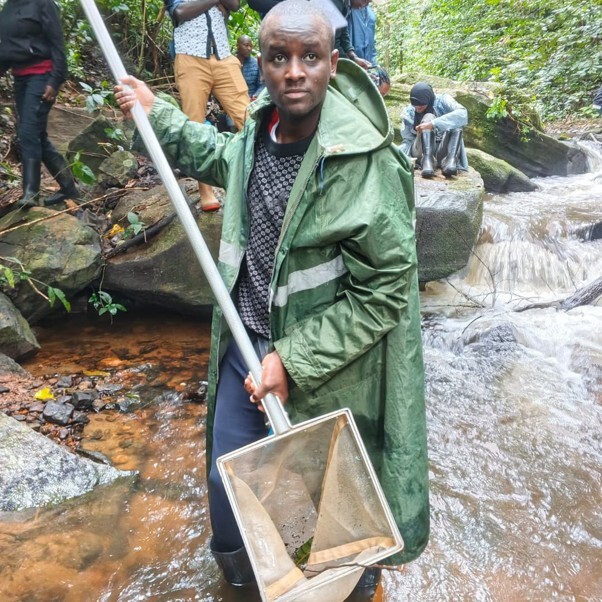
The training involved classroom lectures, Lab analysis as well as extensive fieldwork. As usual, we started with the theoretical part. It was fascinating, although many of the scientific family names sounded as if the lecturer was speaking in tongues, for example, Prosopistomatids. At first, they seemed impossible to pronounce, but with time they became familiar. Later, we went into the field and visited various stream sites to collect samples. We used the kick-sampling method, which required a lot of energy, careful footwork, and close attention while collecting specimens for analysis.
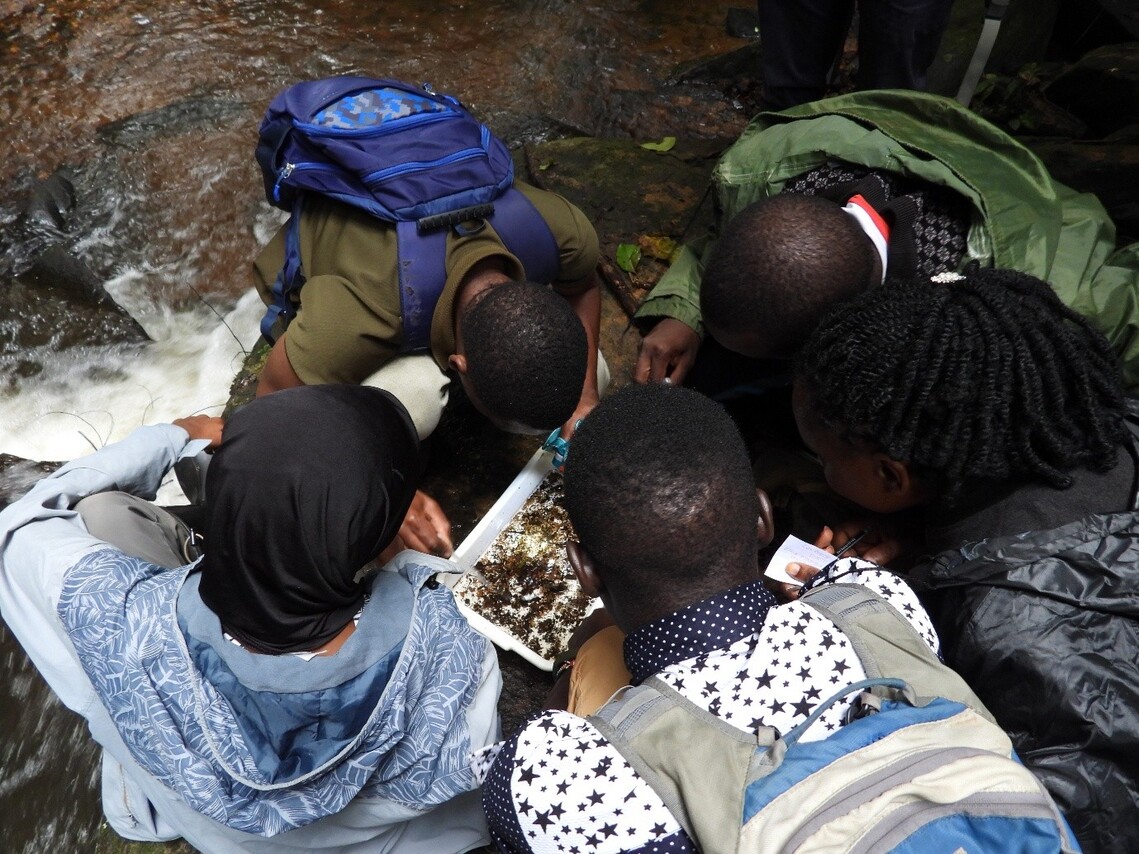
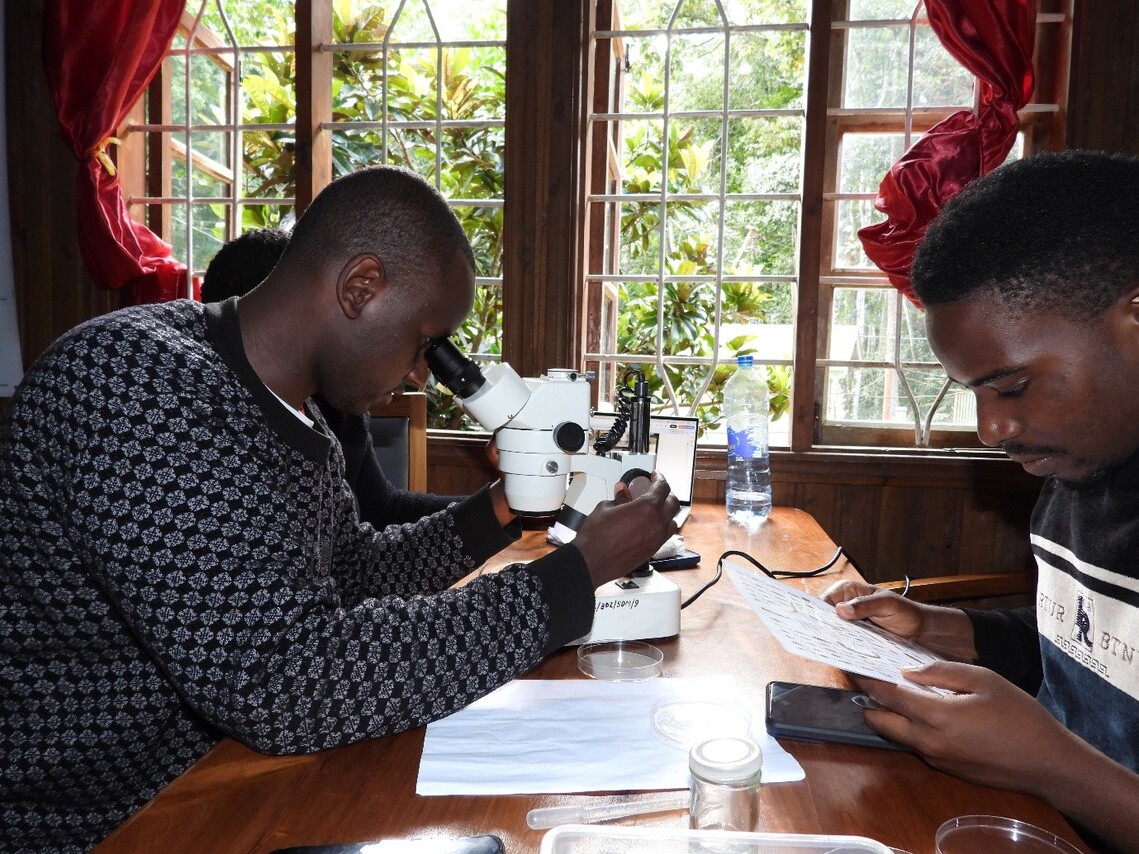
After collecting our samples, we moved to the laboratory, where we identified each specimen. This was the most interesting part, although it was also the most time-consuming and required careful observation and detailed analysis. Finally, we analyzed our findings using both the TARISS and SASS5 scoring systems to interpret the stream health results. The results were fascinating and clearly demonstrated the value of biological monitoring.
I learned much throughout the BIMO training. Anyone who misses BIMO misses an incredible learning experience. The program not only taught me scientific techniques but also changed the way I perceived rivers and streams. I now understand that aquatic macroinvertebrates are silent guardians of freshwater ecosystems, providing early warning signs of pollution long before the water appears dirty to the human eye.
BIMO taught me the importance of continuously assessing the health of streams because communities depend on them for many different purposes, including drinking, cooking, farming, and supporting biodiversity. Many people do not understand the importance of aquatic macroinvertebrates or realize that harming them through pollution ultimately affects human health, since we are the primary users of stream water. Therefore, it is essential that our water sources are protected, monitored, and assessed regularly because Pollution of our streams is ultimately pollution of ourselves.
Today, I see stream health differently. The stories my elders told me and the scientific knowledge I gained through BIMO complement each other. While the elders used stories to encourage people to respect and protect water sources, BIMO gave me the scientific tools to understand and monitor those same ecosystems. I hope to use this knowledge to help conserve our streams for future generations, ensuring that both people and aquatic life can continue to thrive."