Lead organisation: Nelson Mandela African Institution of Science & Technology (NM-AIST)
Partners: Internal Drainage Basin and local authorities
Location: Lake Manyara basin, Tanzania
Duration: May – December 2024
Summary:
Surveys of aquatic macroinvertebrates were carried out at twelve sites in three river systems in the Lake Manyara Basin. Habitat assessments and measurements of water quality were also conducted. The work was done in freshwater ecosystems where there is limited ecological information in the Afro-tropical region; namely, Intermittent Rivers and Ephemeral Streams (IRES). These watercourses, which periodically stop flowing or dry out, have direct benefits for people and are thought to support diverse biological communities.
Dr Grite Mwaijengo Nelson and Emmanuel Julius identified a diverse range of macroinvertebrates across the surveyed rivers with variations in species composition influenced by water availability, substrate type, and anthropogenic activities. These included Odonata (dragonflies and damselflies), Hemiptera (true bugs), Coleoptera (beetles), Diptera (flies), Mollusca (snails), Decapoda (freshwater prawns), and Orthoptera (grasshoppers). The macroinvertebrates perform a variety of ecological functions: predating other aquatic organisms; recycling nutrients (detritivores such as chironomid larvae); regulating primary production (for example, snails grazing algae); and enhancing water quality through filter feeding.
A workshop was held in Makuyuni to enhance awareness about IRES, their biodiversity, socio-ecological importance, threats they face, and potential conservation measures. The workshop brought together 33 stakeholders from diverse organizations. It highlighted the need to protect the ecosystems through strengthened community engagement, robust policy frameworks, and further research. Read more.
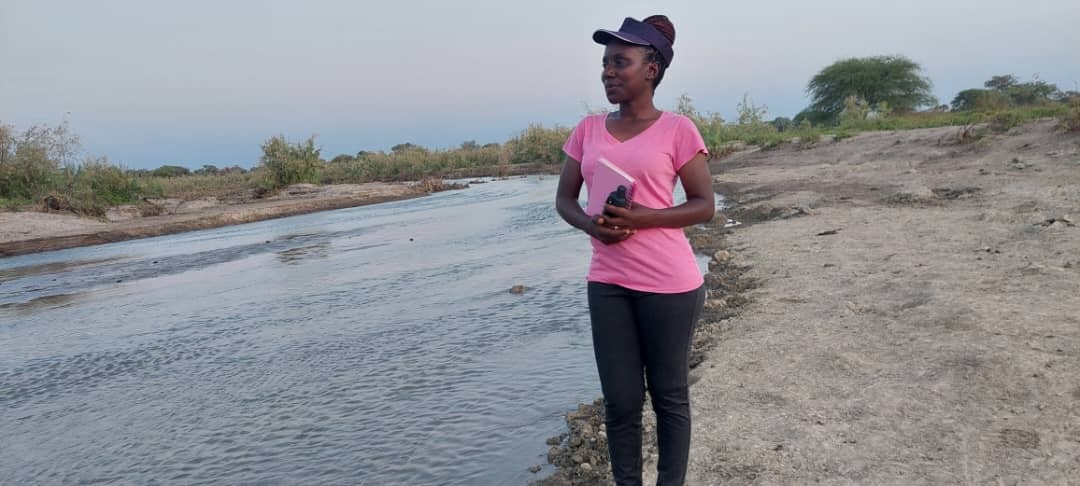
Below: Dr Grite Nelson Mwaijengo who led the project whilst supervising an early career researcher